Things that actually save lives, with the sources attached
No listicles and no borrowed chapters. Each post is one specific thing that changes an outcome, traced to the manual or the study it came from — including the places where the standard sources contradict each other.
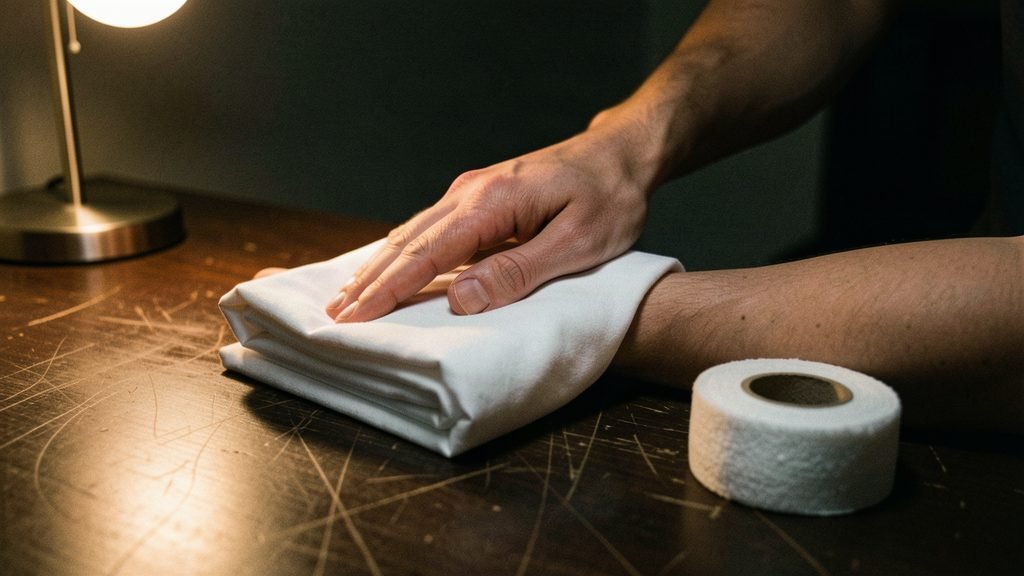
First aid when the ambulance is two hours away
Most first-aid advice assumes help arrives in eight minutes. In an outage it does not - so bleeding, warmth and the rehydration recipe reorder themselves. Includes the medication problem almost every guide skips.
The 15 minutes that save a life
Most people lift the cloth to check. That one habit is how someone who was going to live, doesn't. This is the pressure rule, and where the books contradict each other.
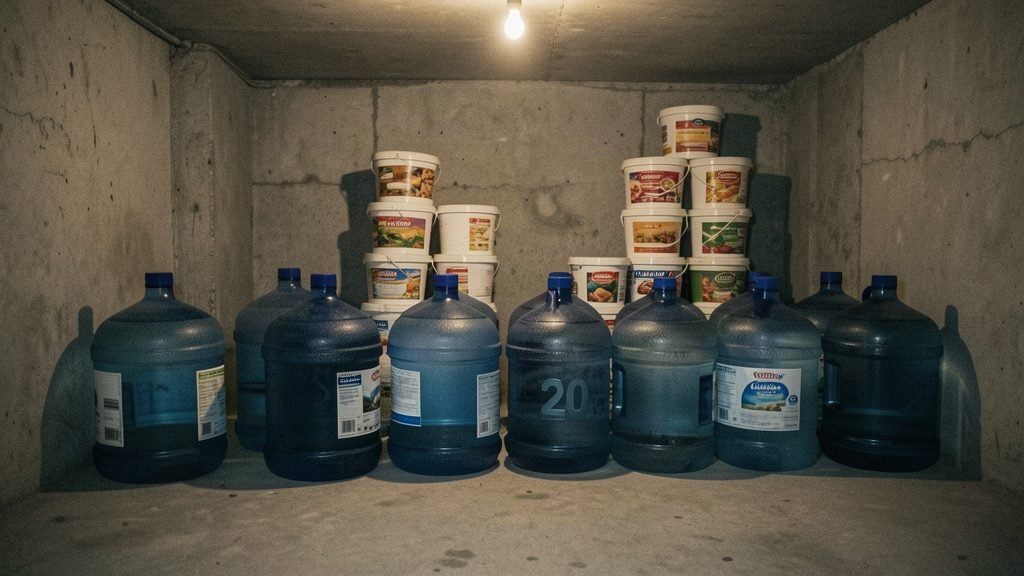
You are storing about a tenth of the water you need
The eight jugs in the photo look like a serious stockpile. For a family of four it is nine days — and most households have less than a quarter of it.
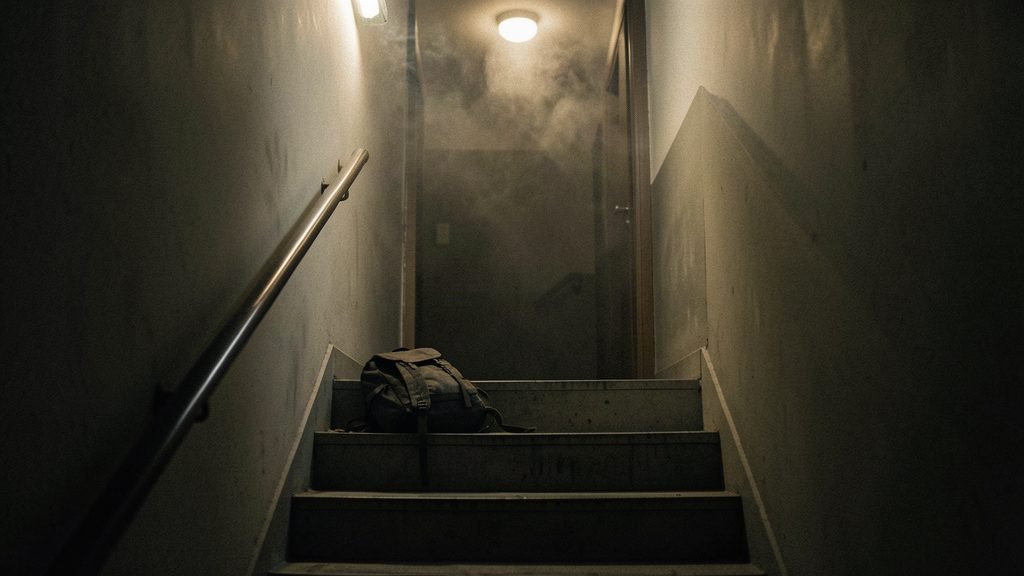
The six minutes that kill you
In a disaster, most people do not panic. They wait. The average survivor of the World Trade Center attacks waited around six minutes before heading down the stairs — and that delay is what the training is for.
Canadian, metric, written for a February outage. The Winter Grid-Down Playbook, the Preparedness Calculator Pack and the Family Preparedness Audit.
See the kits →